Culex species mosquitoes as viral environments.
Mosquito-borne flaviviruses must infect a mosquito and productively replicate in that environment in addition to a human or other vertebrate animal environment. We seek to better understand the variables that are relevant to a flavivirus as it moves between these two host. Some questions we are asking involve the role of temperature on virus replication compared to cell intrinsic variability, the role of varying mosquito microbiomes on virus infection and propagation, and the role of changes that occur within a mosquito during infection.

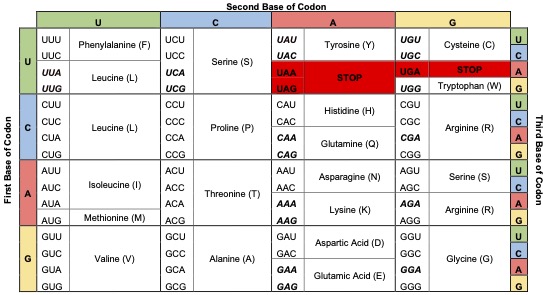
Elucidating the host pressures that drive, and the evolutionary results of, differences in codon usage between viruses that infect arthropods, vertebrates and those that cycle between the two.
Viruses are obligate intercellular parasites that utilize host resources to survive and thrive, as a result viruses must be finely tuned the hosts they infect. However, arthropod-borne viruses must infect both arthropod and vertebrate cells resulting in potential trade-offs during evolution. This project seeks to understand the pressures on codon usage that differ between arthropod and vertebrate hosts, with the ultimate goal of identifying virus codon-usage patterns that can be manipulated in rational vaccine design and/or host proteins that can be targeted by or utilized as drugs to treat arboviruses.
Effects of environment on flavivirus multi-genome delivery.
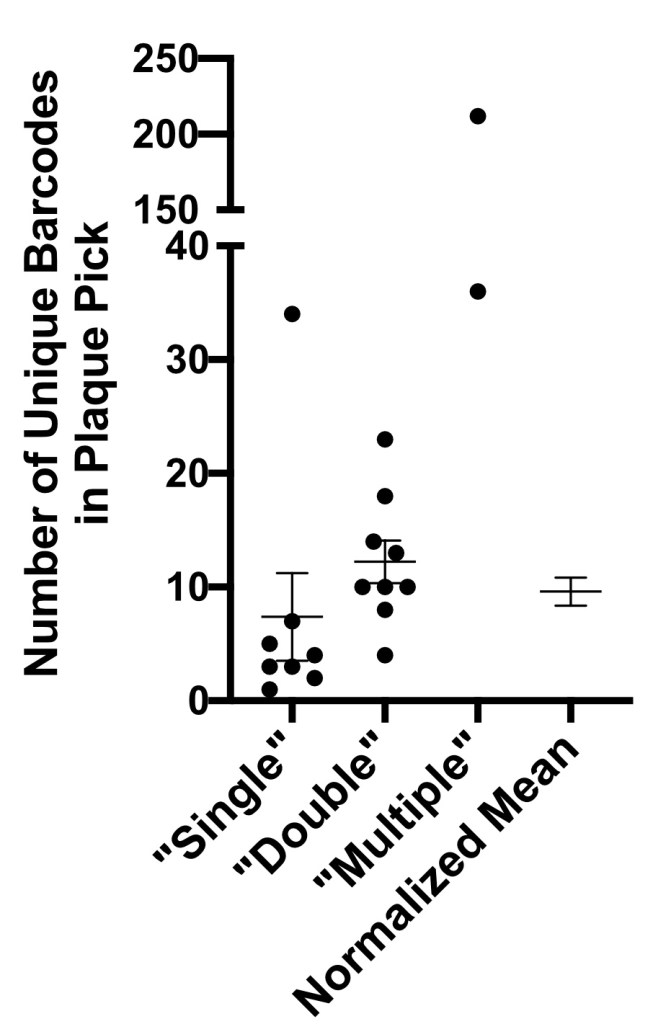
Viruses are typically depicted as infecting cells as individual virus particles, one per cell. However, evidence across virus systems has demonstrated that this is often not the biological reality. We’ve identified that multi-genome delivery is occurring in flaviviruses with most plaques starting from an average of 10 virus genomes with a wide range from 1 to greater than 200. However, most intra-cell virus populations are dominated by a single genotype despite multiple genotypes entering. We seek to understand what drives this wide range, whether environmental factors alter it, whether extracellular vesicles are involved, and why most cells end up favoring one genotype in the population over others.
 The Sexton Lab at the University of Nebraska - Lincoln